
Maybe you've told yourself "I can't sit still" or "I don't have time for this." Here's the truth: meditation doesn't require a silent mind, a perfect posture, or an hour of free time. It just requires a few minutes and a willingness to try.
This guide walks through what meditation actually is, a simple step-by-step process, beginner-friendly techniques, and how to build a habit that sticks—including options for those who want to connect meditation with faith.
Key Takeaways
- Meditation trains attention and awareness rather than emptying your mind
- Beginners can start with just 1-5 minutes a day using breath-focused techniques
- A wandering mind is normal and part of the practice, not a failure
- Guided practice and community support make consistency easier to build
What Is Meditation and Why Should Beginners Try It?
Meditation is the practice of training your focus and awareness, often by anchoring attention to something simple like your breath. The National Center for Complementary and Integrative Health describes it as a mind-body practice used to calm the mind and support overall well-being.
You do not need a blank mind. Mayo Clinic explains meditation as choosing one point of focus and gently returning to it whenever your attention drifts. The practice is simple: notice, return, repeat.
The Real Benefits
Research points to several beginner-friendly benefits:
- Stress reduction: A 2024 meta-analysis of 58 studies and 3,500+ participants found meditation can lower cortisol
- Better sleep: A review of 18 clinical trials found mindfulness meditation improved sleep quality, with effects still visible at follow-up
- Sharper focus: One study found a single 10-minute breath-focused session improved attentional control compared to a non-meditation control
- Emotional balance: A one-week trial of daily brief mindfulness sessions improved emotional processing and reduced attention bias toward negative stimuli

You don't need weeks of practice to feel a shift. A 2023 study in Scientific Reports found a single 10- or 20-minute session raised state mindfulness in people new to meditation.
For many beginners, it also becomes more than stress relief: a simple way to connect body, mind, and spirit in one daily practice.
How Do Beginners Start Meditating? A Step-by-Step Guide
You don't need a meditation cushion, an app subscription, or a dedicated room. You need a few quiet minutes.
- Pick a quiet spot. A chair, the floor, or a cushion all work fine. No special equipment required.
- Set a short timer. Start with 1-5 minutes. A timer removes the pressure of wondering how long you've been sitting there.
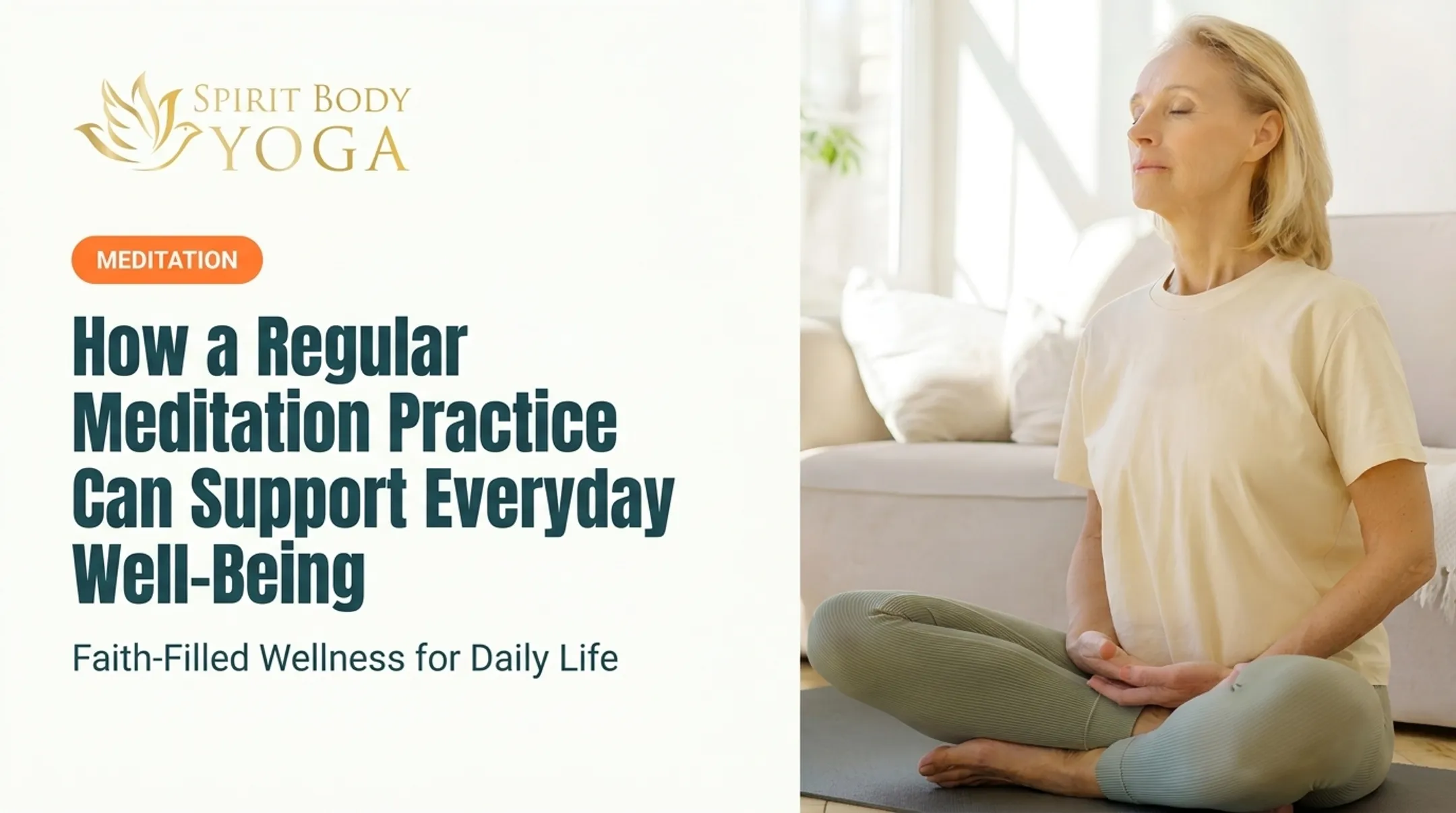
- Settle into posture. Sit upright with relaxed shoulders and hands resting comfortably. Gently close your eyes.
- Focus on your breath. Notice the natural rhythm of inhaling and exhaling. Some people count breaths; others silently note "in" and "out."
- Notice when your mind wanders—then return. This will happen. When it does, simply notice it without judgment and bring your attention back to the breath.
- Close mindfully. Sit for a few extra moments before opening your eyes and returning to your day.

That's it. No advanced technique required for session one.
What Is the Best Meditation for Beginners? Simple Techniques to Try
There's no single "correct" meditation style. The best one is the one you'll actually do. Here are five accessible starting points:
Breath Awareness Meditation
Focus solely on the natural rhythm of your inhale and exhale. This is the simplest entry point and the technique most beginners start with.
Body Scan Meditation
Mentally move your attention from your head down to your toes, noticing tension or sensation along the way. It's especially useful before bed.
Guided Meditation
Follow an instructor's voice through an app, video, or class. This works well for beginners who find total silence intimidating or distracting.
Walking or Movement-Based Meditation
Stay present through slow, deliberate steps or gentle yoga movement. Great for people who find sitting still uncomfortable at first.

Faith-Filled, Prayerful Meditation
For those wanting a spiritual dimension, meditation can combine stillness and breath with scripture, prayer, or intention-setting.
Spirit Body Yoga's online meditation and breathwork classes take this approach. They frame breath and stillness through Pranayama (breath control), Dharana (concentration), and Dhyana (meditation) to quiet the mind and deepen connection with God.

Building a Sustainable Meditation Schedule and Habit
Consistency beats intensity. A 5-minute daily practice will do more for you than an occasional 30-minute session.
Start small and build gradually:
- Begin with 1-5 minutes daily
- Increase duration only when the current length feels easy
- Don't chase a "perfect" session length; there isn't one
Anchor it to something you already do. Attach the new habit to an existing routine—like your morning coffee or right before bed—so the cue becomes the trigger. You won't have to rely on willpower alone.
Timing flexibility matters more than perfection. Morning works for some people, lunch breaks for others, evening for the rest. Pick what fits your actual life, not an idealized version of it.
Miss a day? Start again the next one without “making up” lost time. Sustainability comes from returning, not from a flawless streak.

Common Meditation Challenges for Beginners (and How to Overcome Them)
Nearly everyone hits the same roadblocks early on. Here's how to handle them.
Restlessness or fidgeting This is normal, especially in the first few sessions. If you feel antsy, shorten the session. A 1-2 minute sit is still a real practice.
Self-judgment about "doing it wrong" There's no perfect way to meditate. Getting distracted, losing count, or feeling bored is part of being human, not proof you failed. Consistency matters far more than precision.
Wandering mind and intrusive thoughts This is expected, not a sign you're bad at meditating. Every time you notice your mind has wandered and bring it back, you are doing the actual practice.
Deepening Your Practice with Community and Faith
Meditating alone is a great start, but many beginners find it easier to stay consistent with structure and support. Guided sessions remove the guesswork, and a community adds accountability that solo practice can't.
Spirit Body Yoga's fully online platform pairs on-demand meditations and breathwork with faith-rooted practices you can use on your own schedule. Membership is $29/month with a 7-day free trial and includes:
- Unlimited library access to meditations, breathwork, and classes for every level
- Faith-filled practices that link stillness with spiritual intention
- Weekly live pop-up classes when you want real-time guidance
- A supportive community that helps you stay consistent
Meditation sits in a larger whole-person picture here: strengthen the body, calm the mind, and nurture spiritual connection together. If that approach fits, trying a class or joining the community is a low-pressure way to build a steady practice with support behind you.
Frequently Asked Questions
How do beginners start meditating?
Find a quiet spot, sit comfortably, close your eyes, and focus on your breath for just a few minutes. Start with 1-5 minutes and build from there.
What is the best meditation for beginners?
Breath awareness and guided meditation are the most accessible starting points. Guided sessions are especially helpful if silence feels intimidating at first.
What is a good meditation schedule for beginners?
Start with 1-5 minutes daily, anchored to an existing habit like morning coffee. Gradually increase duration over several weeks as it feels comfortable.
What are the 5 steps of meditation?
Settle into a comfortable posture, focus on the breath, notice when distractions arise, gently return your focus, and close the session mindfully before returning to your day.
Is it okay to say "Om" during meditation?
Yes, but it's optional. "Om" is a traditional mantra some use to aid focus, particularly in Hindu and yogic traditions. It's not required for effective meditation.
Is meditation tied to a religion?
Meditation isn't tied to one religion. It's practiced secularly and across faith traditions, including Christian contemplative approaches like those offered at Spirit Body Yoga.